
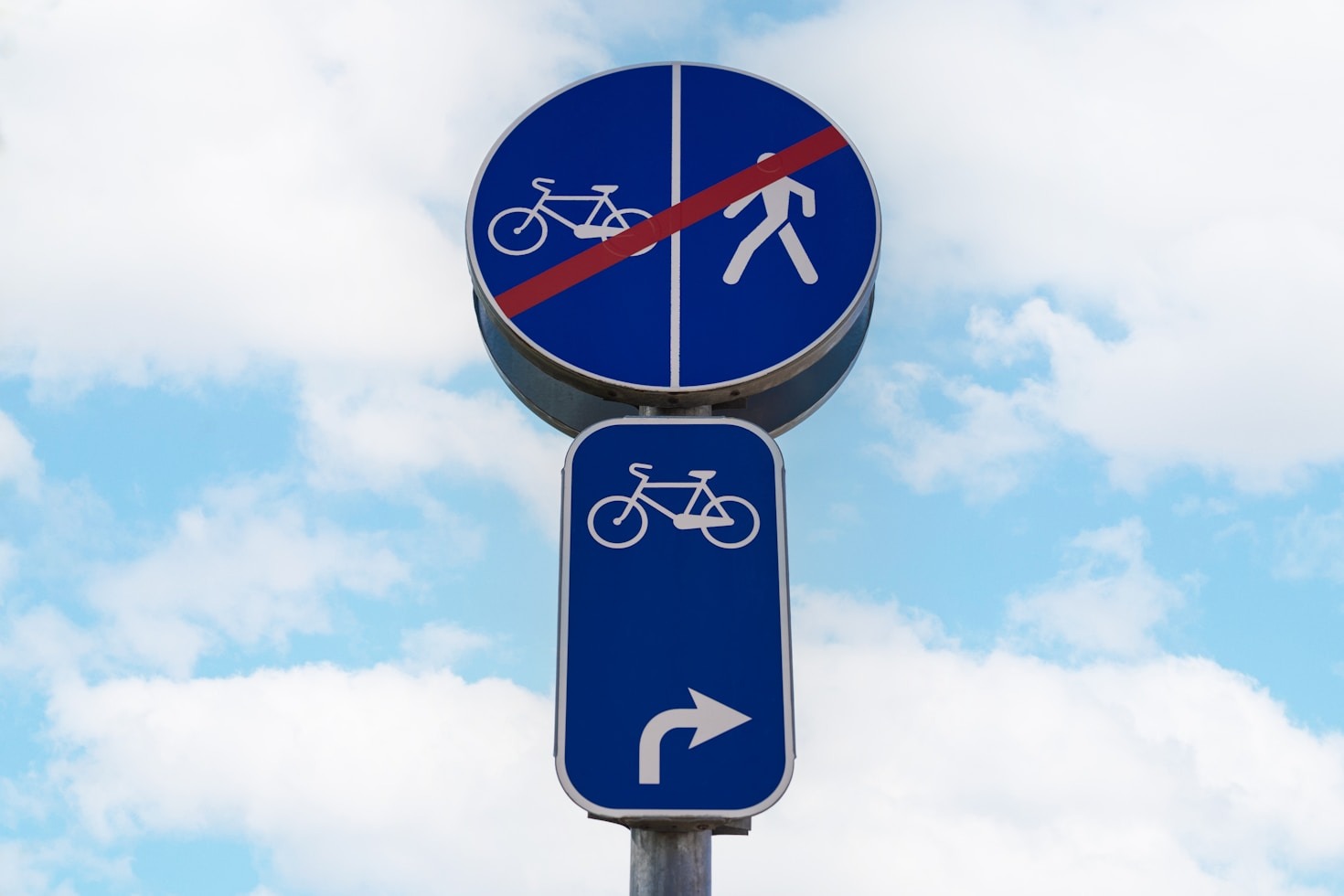
Sustainable mobility is more than a transport trend—it is a strategic approach to shaping safer, healthier, and more inclusive communities. As cities grow and mobility demands increase, traditional car-dependent systems are proving unsustainable in terms of safety, climate impact, and social equity. By prioritizing walking, cycling, public transport, and low-emission vehicles, communities can reduce congestion, improve road safety, and unlock long-term economic and environmental benefits.
“When we design streets for people rather than cars, we create communities where safety, opportunity, and sustainability move together.”
At its core, sustainable mobility focuses on accessibility rather than vehicle speed. Well-designed pedestrian infrastructure, protected cycling lanes, reliable public transport systems, and traffic-calmed streets significantly reduce road traffic injuries while improving air quality. Research consistently shows that cities investing in multimodal transport networks experience fewer crashes, lower emissions, and stronger local economies. Safe routes to schools, workplaces, and markets encourage active travel, which in turn supports public health and social interaction.


Beyond safety and environmental gains, sustainable mobility plays a vital role in social equity. In many regions, vulnerable road users—pedestrians, cyclists, children, older adults, and persons with disabilities—face the highest risks and the greatest barriers to mobility. By integrating inclusive design standards, universal accessibility principles, and community engagement into transport planning, cities can ensure that mobility systems serve everyone. Strategic engineering, evidence-based policy, and cross-sector collaboration are essential to delivering transport solutions that are resilient, affordable, and future-ready.
Building Resilient and People-Centered Transport Systems
Sustainable mobility transforms communities by aligning road safety, environmental stewardship, and economic vitality within a single, coherent vision. When policymakers, engineers, planners, and community leaders prioritize people-centered transport, they create safer streets, stronger local economies, and healthier environments. The path forward requires data-driven planning, continuous stakeholder engagement, and long-term investment—but the rewards are lasting. By reimagining how we move, we reshape how we live, connect, and thrive.
Leave a Reply