
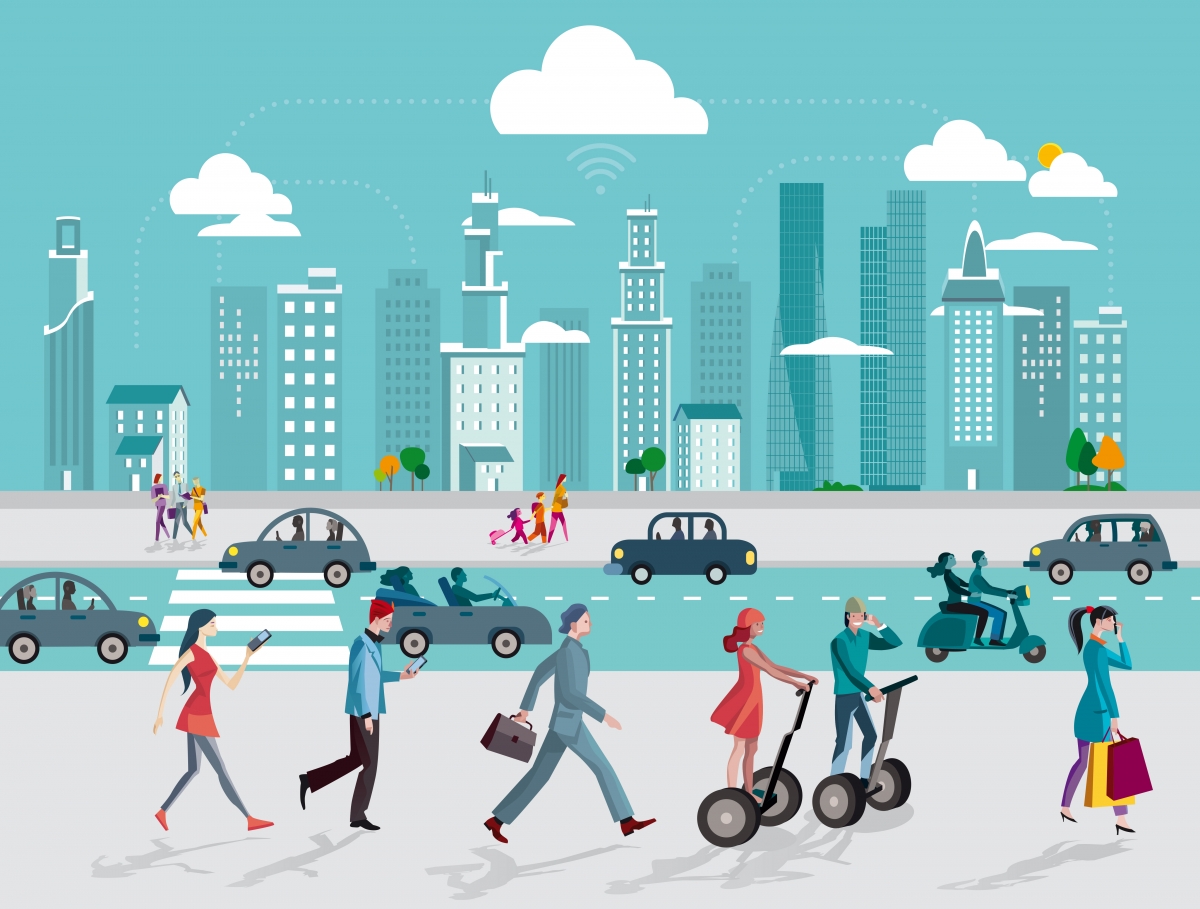
As cities expand and mobility demands increase, transport systems face growing pressure to move people and goods safely, efficiently, and sustainably. Yet many transport challenges, traffic congestion, road crashes, limited accessibility, and environmental impacts can be addressed through better planning and evidence-based decision-making.
Creating safer and more efficient transport systems is not a single intervention but a continuous process that combines engineering, policy, technology, and people-centered design.
“The most efficient transport system is not the one that moves vehicles fastest, but the one that moves people safely, reliably, and sustainably.”
- Understand Existing Challenges Through Data
Effective transport planning begins with understanding how people move and where risks exist. Traffic surveys, crash data analysis, mobility studies, and GIS-based assessments provide valuable insights into travel patterns, congestion points, and safety concerns.
Data-driven decisions help prioritize investments that deliver the greatest impact.
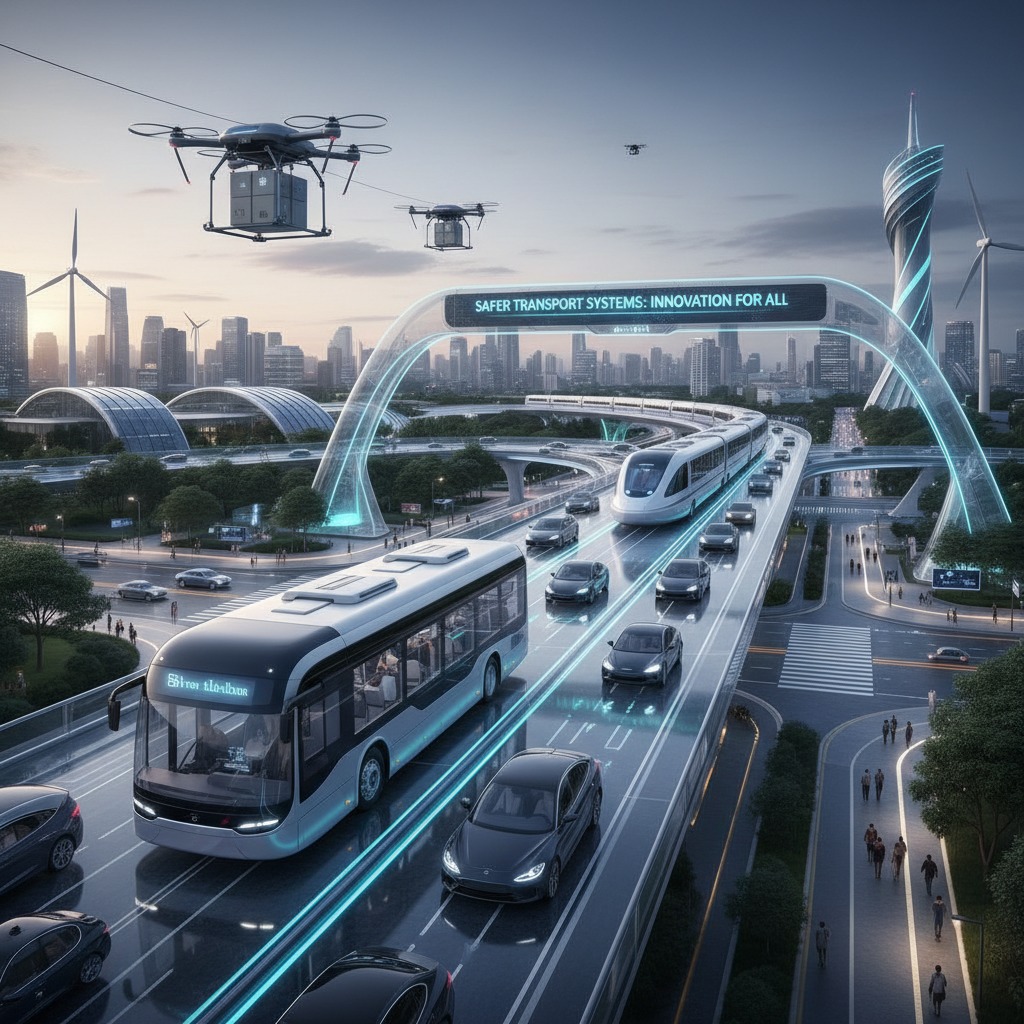

2. Prioritize Road Safety in Every Decision
Safety should not be treated as an afterthought. From planning new infrastructure to upgrading existing roads, safety considerations must be integrated at every stage.
Features such as safe pedestrian crossings, speed management measures, clear signage, and forgiving road designs significantly reduce the likelihood and severity of crashes.
3. Design for All Road Users
A successful transport system serves everyone—not only motorists. Pedestrians, cyclists, public transport users, children, older adults, and persons with disabilities must all be considered in transport planning and infrastructure design.
Inclusive mobility improves accessibility, equity, and overall quality of life.
“A transport system is only truly successful when it is safe, accessible, and efficient for every road user.”
4. Promote Sustainable Mobility Options
Efficient transport systems rely on providing people with safe and attractive alternatives to private vehicle use. Investments in public transport, walking infrastructure, cycling facilities, and integrated mobility networks help reduce congestion while improving accessibility and environmental sustainability.
5. Continuously Monitor and Improve
Transport systems evolve alongside communities. Regular monitoring, road safety assessments, performance evaluations, and stakeholder engagement are essential to identify emerging challenges and ensure continuous improvement.
The most effective transport systems are those that adapt to changing needs while maintaining a strong focus on safety and efficiency.
LOOKING AHEAD
Building safer and more efficient transport systems requires collaboration between governments, engineers, planners, communities, and the private sector. By combining data-driven planning, road safety principles, and sustainable mobility strategies, cities and regions can create transport networks that save lives, support economic growth, and enhance the well-being of all road users.
At SafeRoutes4X, we believe that smarter decisions today lead to safer and more sustainable journeys tomorrow.
Leave a Reply